

🌱 The Golden Rule of Early Spring Lawn Care: The biggest mistake homeowners make every spring is treating the calendar date instead of the soil thermometer. Once soil temperatures hit a sustained 55°F (13°C) for 3 consecutive days, crabgrass seeds germinate. If you haven’t laid down your protective barrier before that moment, you will spend the entire summer fighting weeds.
After a long, damp winter, walking across your yard often reveals unsightly bare spots, compacted clay soil, and stubborn moss patches. But early spring also offers the single highest-leverage window of the entire gardening year.
Here at Good Neighbor Crew, our volunteers have restored hundreds of overgrown community lawns for elderly neighbors, single parents, and veterans. We’ve distilled decades of practical, down-to-earth yard experience into our best-selling handbook, Good Lawns Don’t Happen by Accident. Below is your 5-step master action checklist to prepare your turf for explosive spring health.
Step 1: Wait for Turf to Dry Before Heavy Foot Traffic
When the first warm Saturday arrives in March, it is tempting to fire up the mower and immediately start raking. Resist the urge! Spring turf is waterlogged and root systems are fragile. Walking, dragging heavy carts, or pushing mowers across soggy soil creates severe soil compaction, crushing air pockets and stunting new root expansion. Wait until the top two inches of soil crumble lightly in your hand.
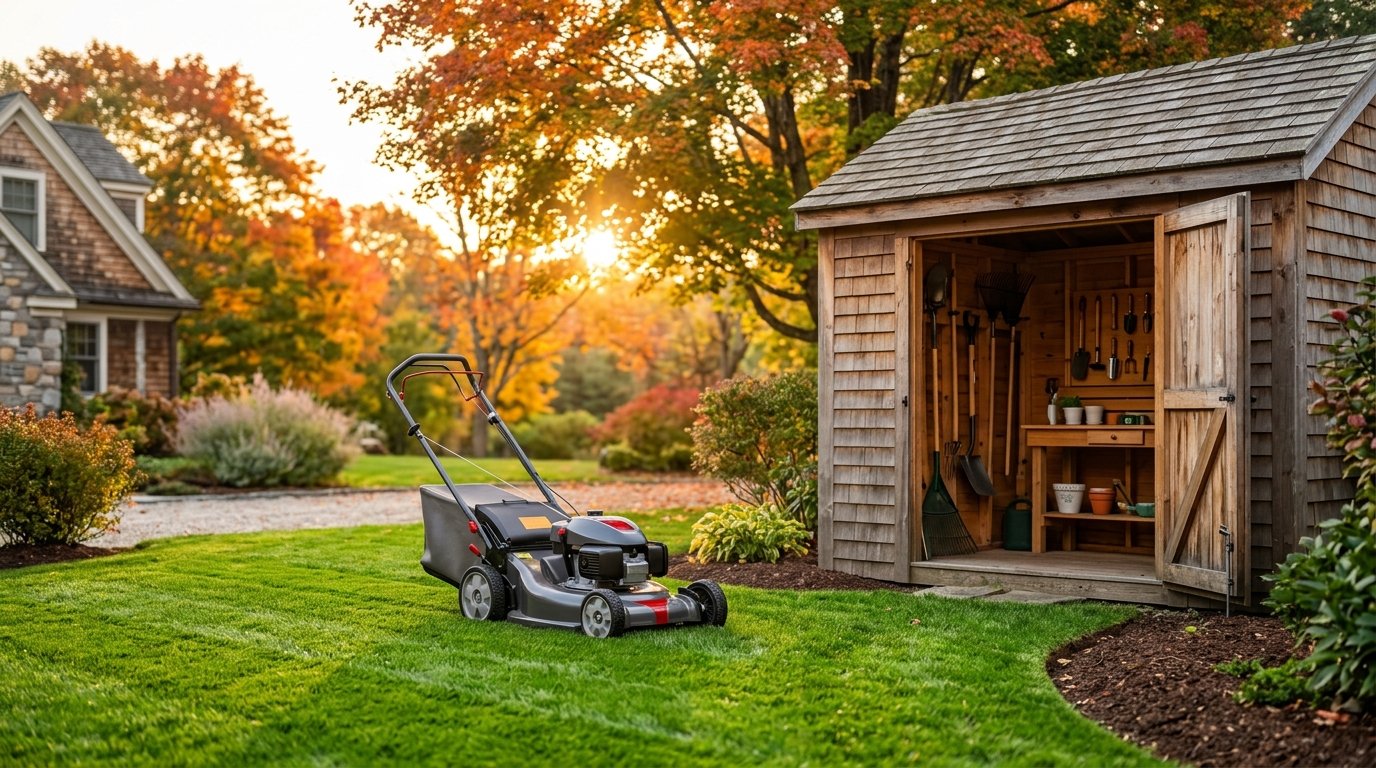
Step 2: Sharpen Your Mower Blades (Clean Cut vs. Torn Crown)
A dull mower blade does not slice grass cleanly; it rips and shreds grass tips into jagged yellow tassels. These frayed edges lose moisture rapidly, turn the lawn brown within 48 hours, and act as wide-open doorways for fungal spores. Start the spring season by taking your mower blade to a local hardware shop or using an angle grinder with a metal file to put a crisp 30-degree edge on the cutting wing.
Step 3: Track the 55°F Soil Barrier for Pre-Emergent Application
Crabgrass, foxtail, and goosegrass are annual weeds that produce thousands of seeds before dying each winter. Those seeds sit dormant until the upper 2 inches of soil reach 55°F (usually coinciding with yellow forsythia bushes blooming in your neighborhood).
Apply a high-quality pre-emergent herbicide (such as Prodiamine or Dithiopyr) or an organic corn gluten meal barrier before this critical threshold. Water it in with 0.5 inches of rain or irrigation to activate the protective chemical vapor barrier in the topsoil.

Step 4: Spot-Repair Winter Dog Spots and Snow Mold
Inspect your lawn perimeter for straw-colored circular patches caused by winter salt runoff, dog urine, or gray snow mold. Rake away the dead matted thatch with a gentle leaf rake to let oxygen penetrate the soil surface. Dust a mixture of 50% coarse sand, 50% quality compost, and high-germination turf seed over the spot, then keep it lightly moist for 14 days until new shoots establish.
Step 5: The First Spring Cut (Take Off Only 1/3)
When grass begins active vertical growth, set your mower deck to its recommended height for your turf species (3 to 3.5 inches for Cool Season grasses like Kentucky Bluegrass and Fescue; 2 inches for Warm Season Bermuda). Never scalp the lawn: adhere strictly to the 1/3rd Rule. If grass is 4.5 inches tall, trim no more than 1.5 inches in a single pass to prevent shocking the crown.
Want the Complete Step-by-Step Lawn Care Playbook?
Order your copy of “Good Lawns Don’t Happen by Accident: A Neighbor’s Guide to the Best Yard on the Block”. 100% of book and merchandise proceeds fund free community yard cleanups for elderly neighbors.