
Latest posts
-
Overseeding in Spring: Complete Soil Prep, Seed Rates & Timing Guide
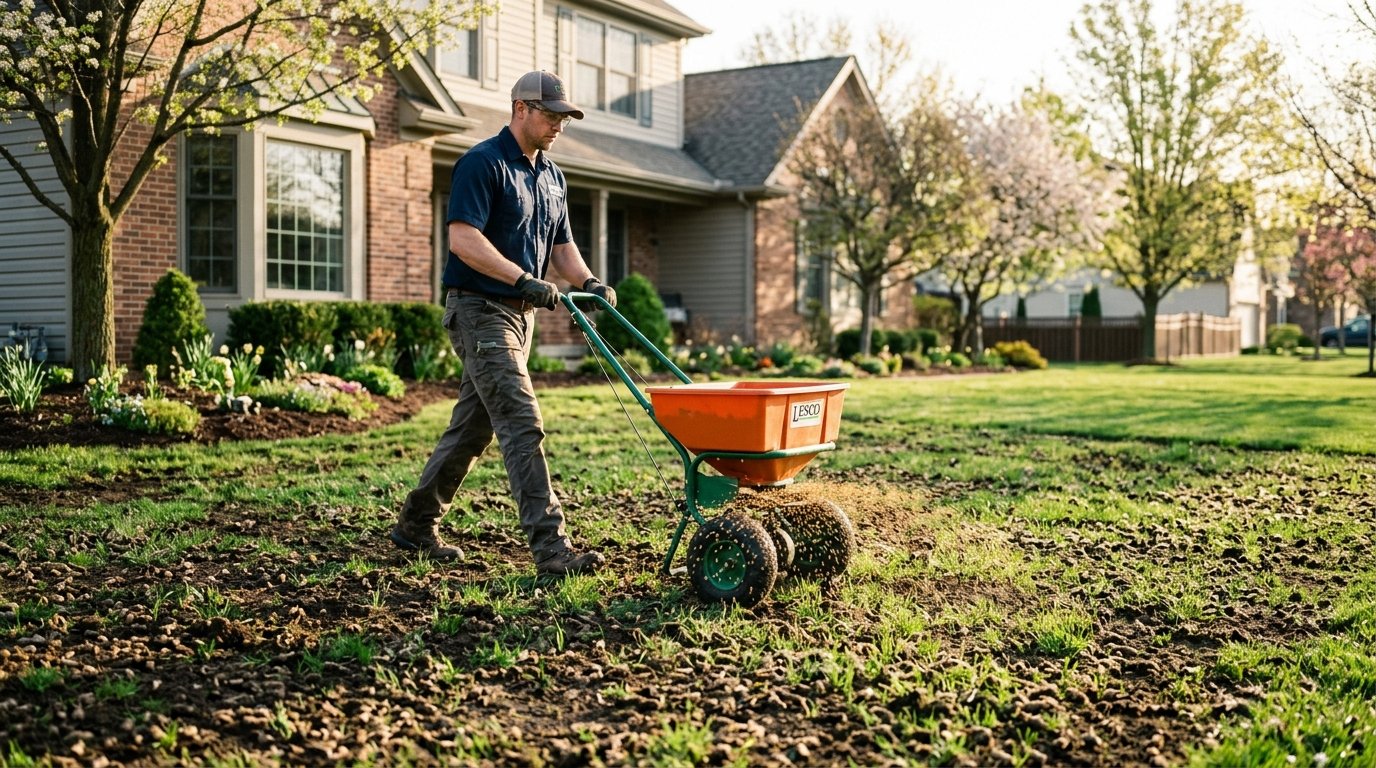
Step-by-step spring lawn overseeding guide. Learn optimal 55°F soil temperature windows, core aeration prep, exact seed rates per 1,000 sq ft, and watering protocols to thicken thin turf.
-
Lawn Fertilizer Numbers Explained: The Complete N-P-K Guide for Homeowners
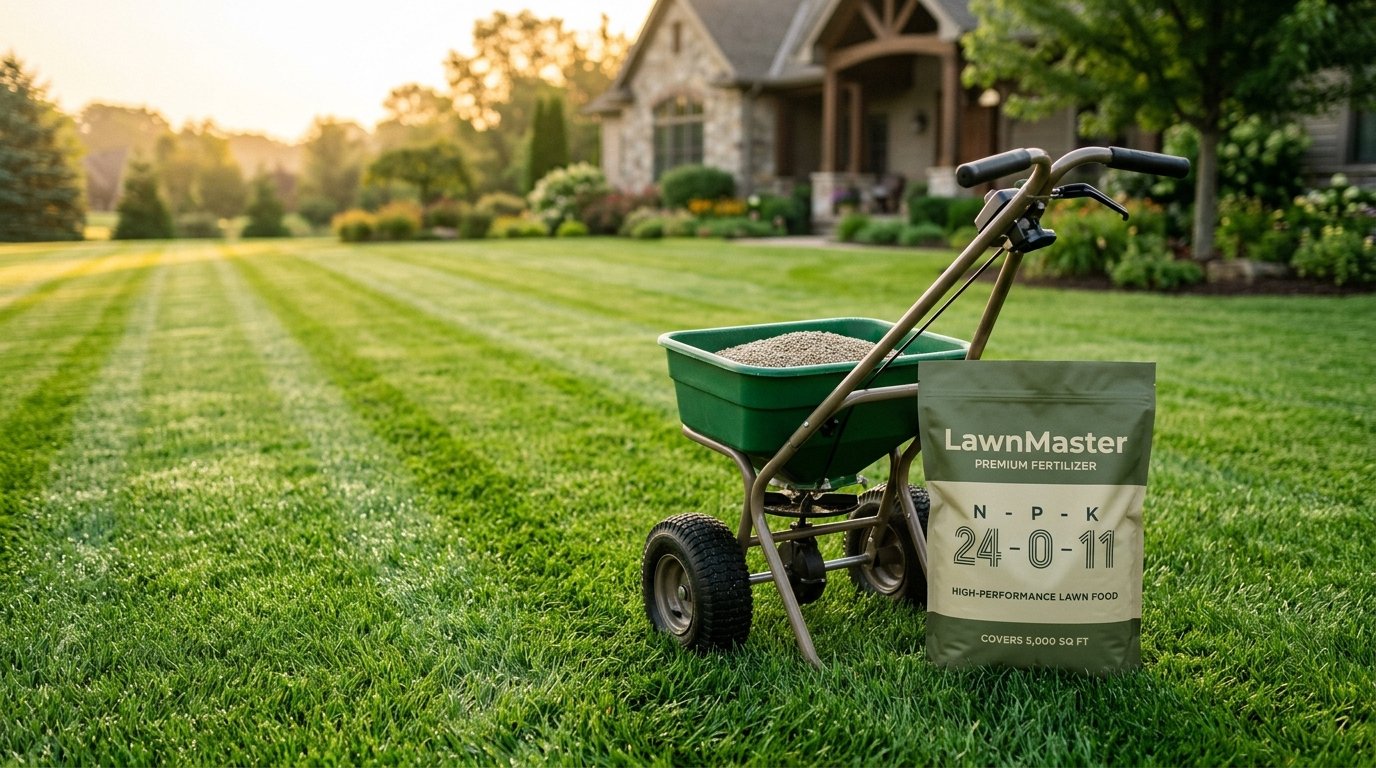
QUICK ANSWER // WHAT DO LAWN FERTILIZER NUMBERS MEAN? The three numbers on a fertilizer bag represent the guaranteed percentage by weight of Nitrogen (N), Phosphate (P₂O₅), and Potash (K₂O), always displayed in that exact order (N-P-K). For example, a 50 lb bag of 24-0-11 contains 24% actual nitrogen (12 lbs), 0% phosphorus, and 11%…
-
Bermuda vs St. Augustine vs Zoysia: 2026 Grass Guide
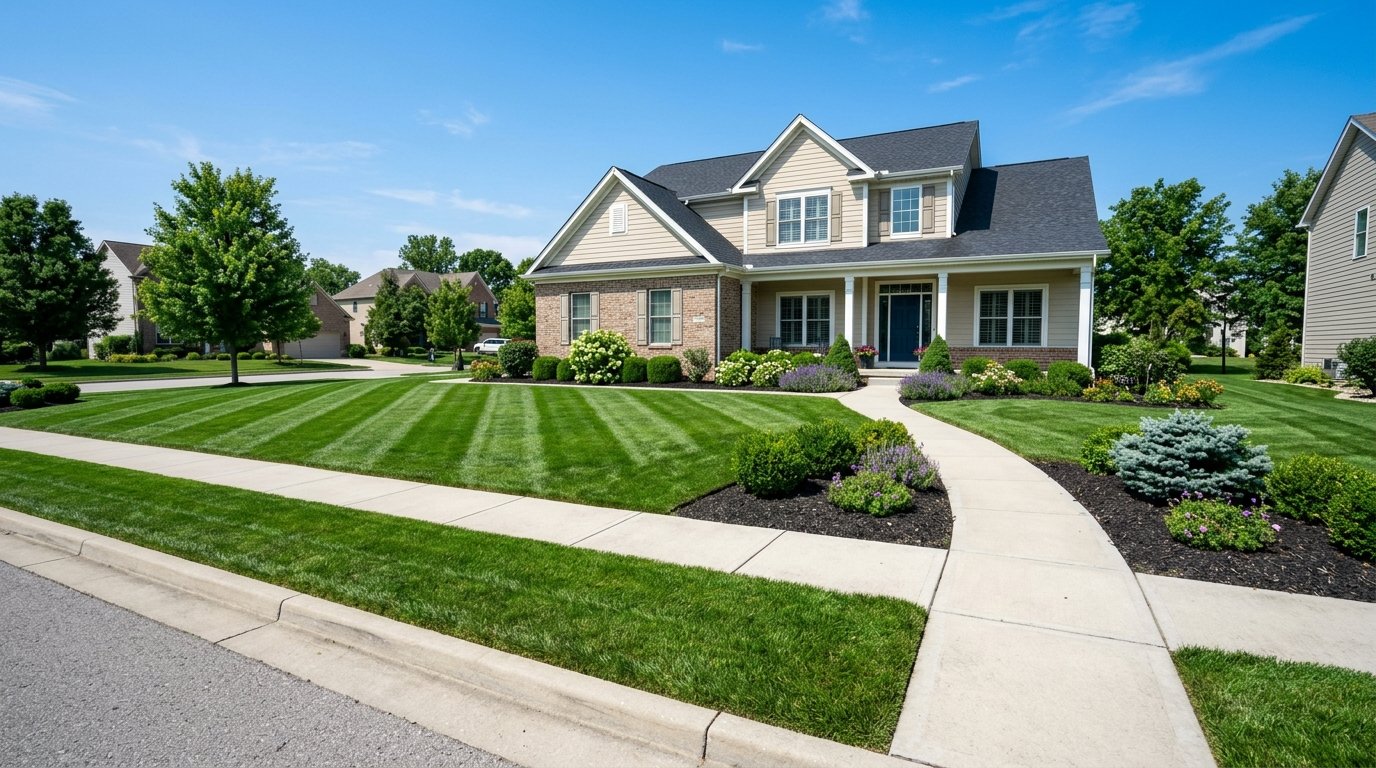
Bermuda vs St. Augustine vs Zoysia warm-season grass comparison. Discover mowing heights, shade tolerance, drought recovery, and herbicide safety.
-
Kill Crabgrass Without Killing Lawn: 2026 Herbicide Guide
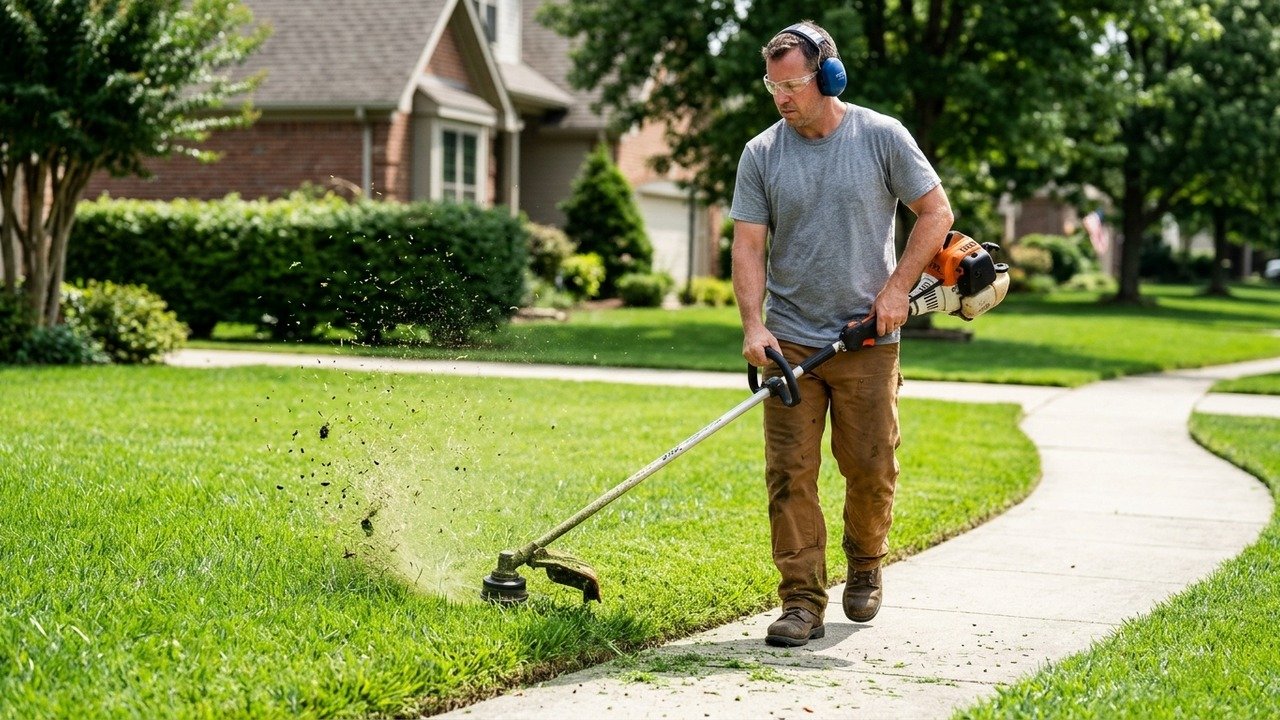
Selective post-emergent herbicide guide. Learn the exact 85°F temperature cutoff rule, quinclorac vs 2,4-D active ingredients, and surfactant application tips.
-
Spring Pre-Emergent Timing: 55°F Soil Benchmark Guide
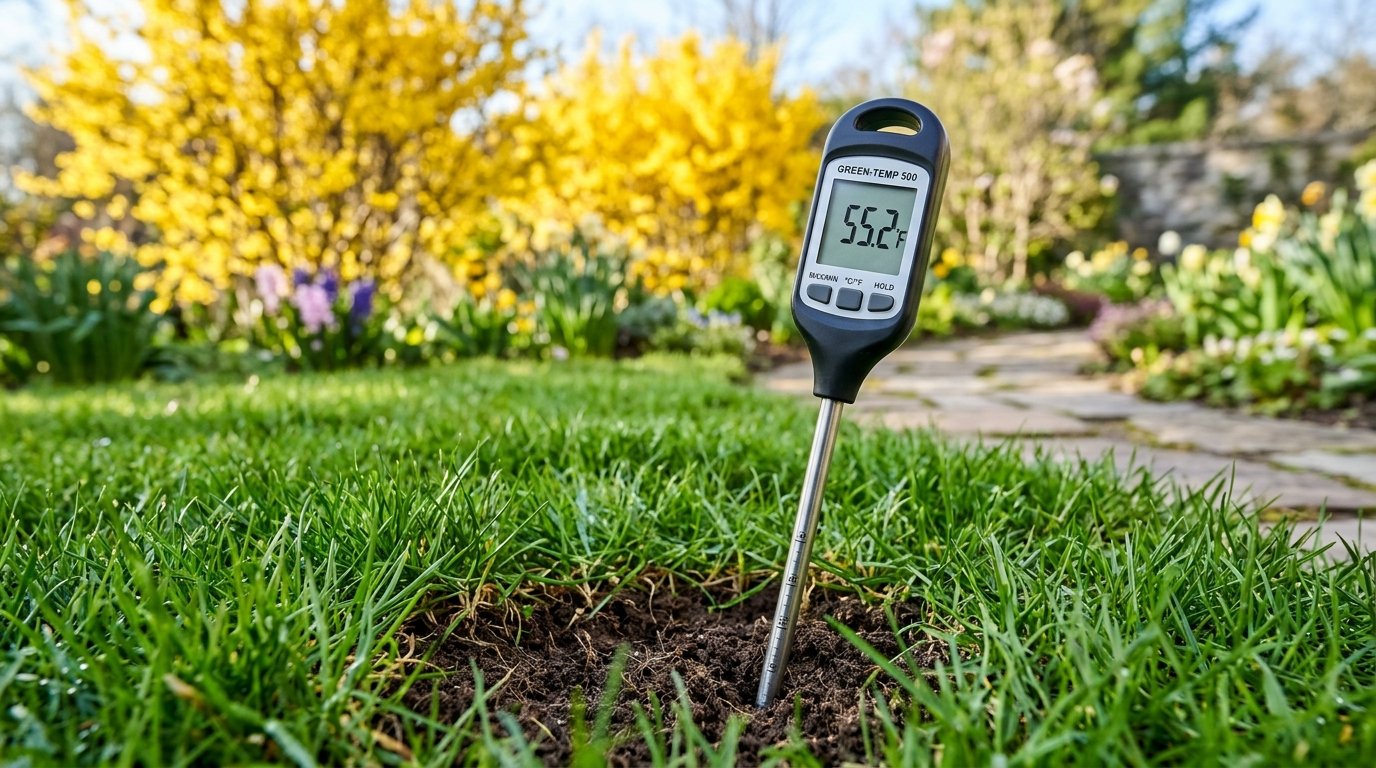
When to apply pre-emergent herbicide in spring. The exact 55°F soil temperature rule, rainfall activation timing, and prodiamine vs dithiopyr breakdown.
-
Winter Lawn Care Checklist: 7 Essential Things to Do Before the First Frost

Complete winter lawn care checklist: 7 essential steps to do before the first frost — final mow height, fertiliser timing, aeration, irrigation blow-out, leaf removal and more.
-
Core Aeration vs Liquid Aeration: The Definitive Clay Soil Decompaction Guide
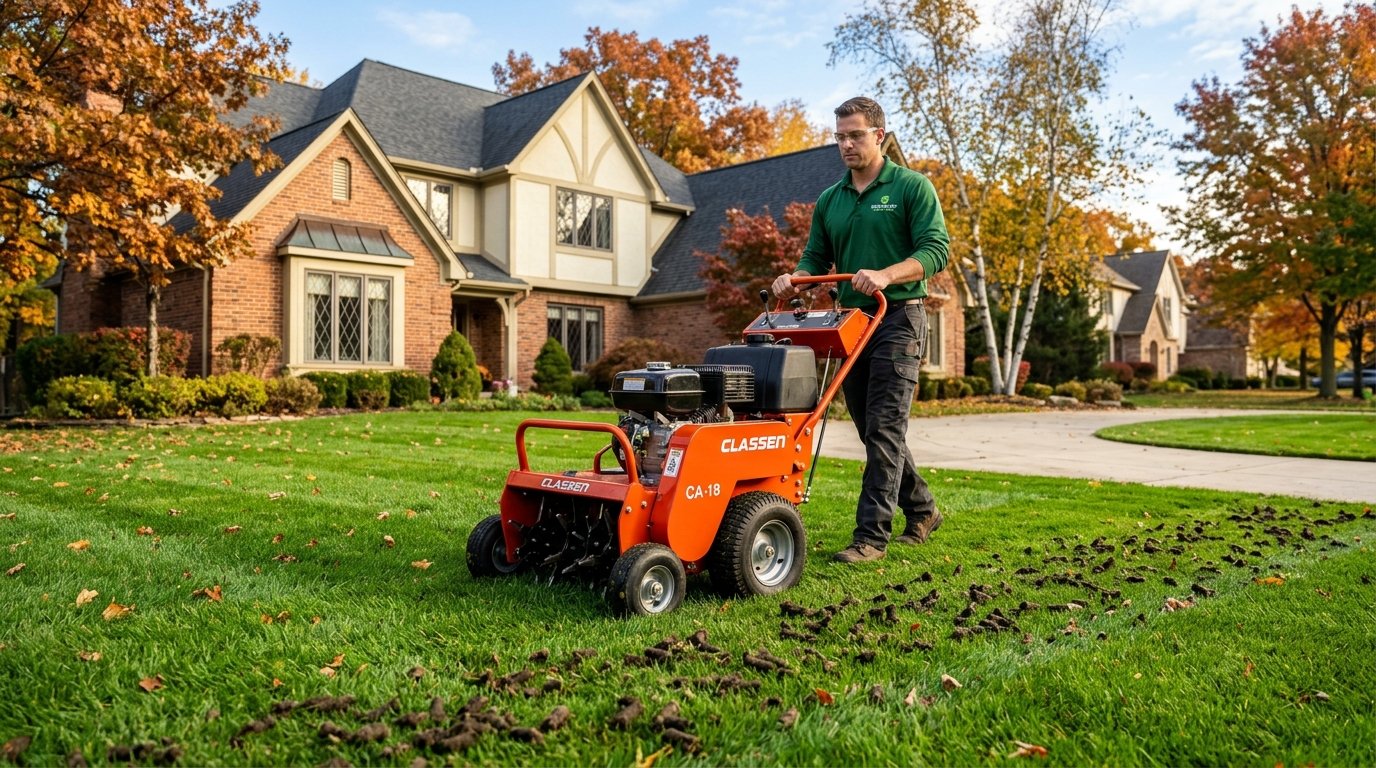
Core aeration vs liquid aeration for compact lawn soil. Compare penetration depth, root channel longevity, timing & cost. Learn why mechanical aeration wins on heavy clay.
-
How to Overseed a Thin Lawn in Autumn or Spring: Seed Rates, Soil Prep & Watering Schedule (2026 Guide)
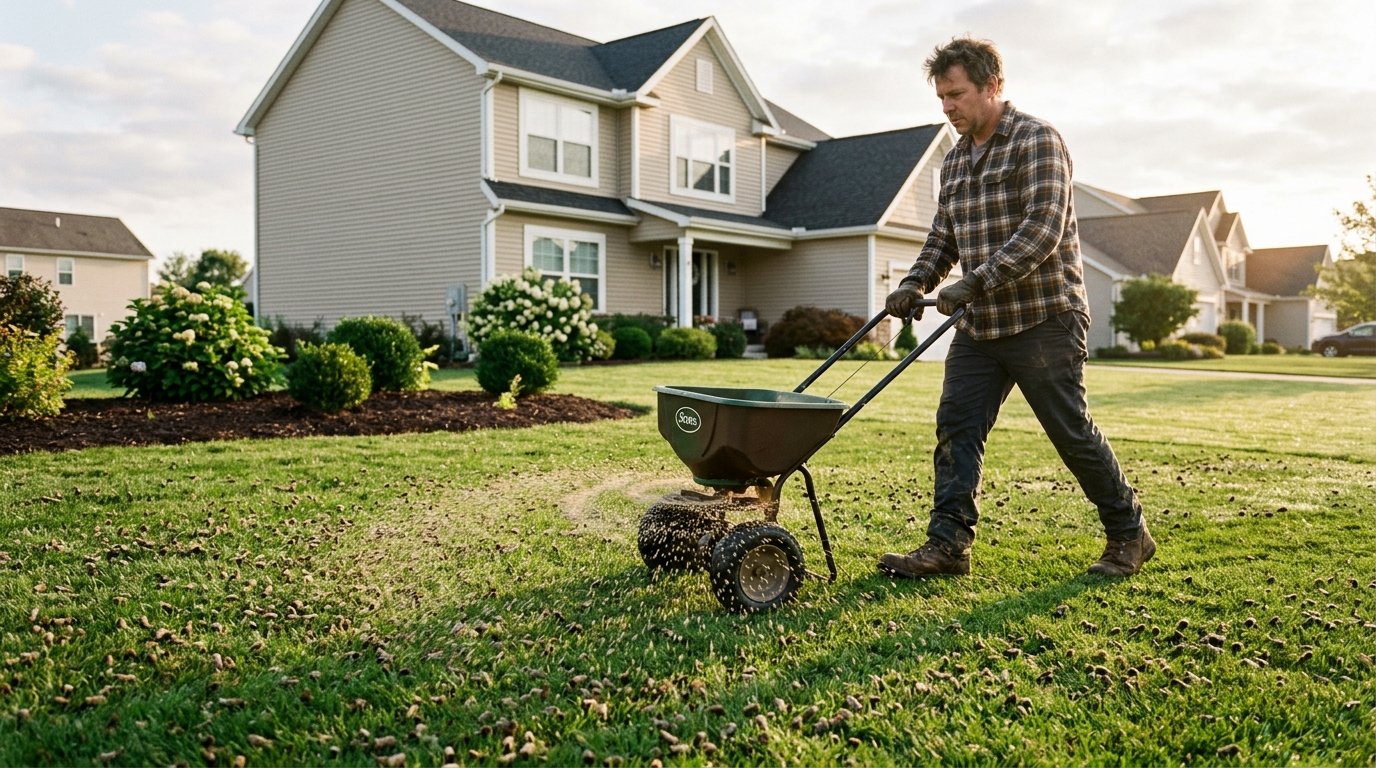
Direct Answer / Core Protocol: To successfully overseed a thin lawn, first mow the existing grass short (1.5–2.0 inches) and perform core aeration or dethatching to expose raw soil. Broadcast quality seed at 3–4 lbs per 1,000 sq ft for fescue blends (or 1.5–2 lbs for bluegrass), apply a high-phosphorus starter fertilizer, and water lightly…
-
Dethatching vs Aerating: How to Tell Which One Your Lawn Desperately Needs (2026 Guide)
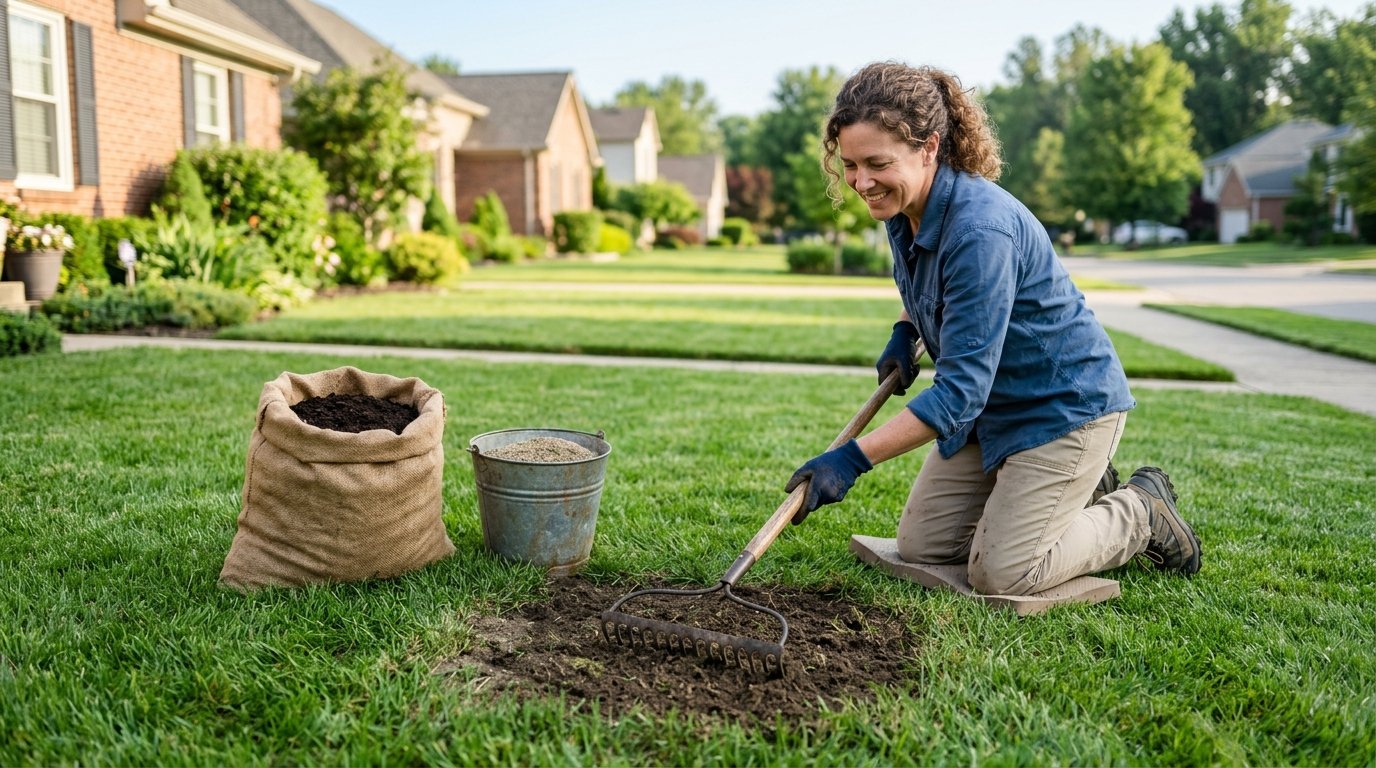
Direct Answer / Quick Diagnostic: Dethatching treats the spongy, choking layer of dead vegetative tissue above the soil line (needed when thatch exceeds 0.5 inches). Core aeration treats hardpan compaction deep below the soil line (needed when a 6-inch screwdriver cannot penetrate moist turf). If your lawn suffers from both, always dethatch first, aerate second,…
-
Core Aeration vs Liquid Aeration: Which Actually Fixes Soil Compaction? (2026 Guide)
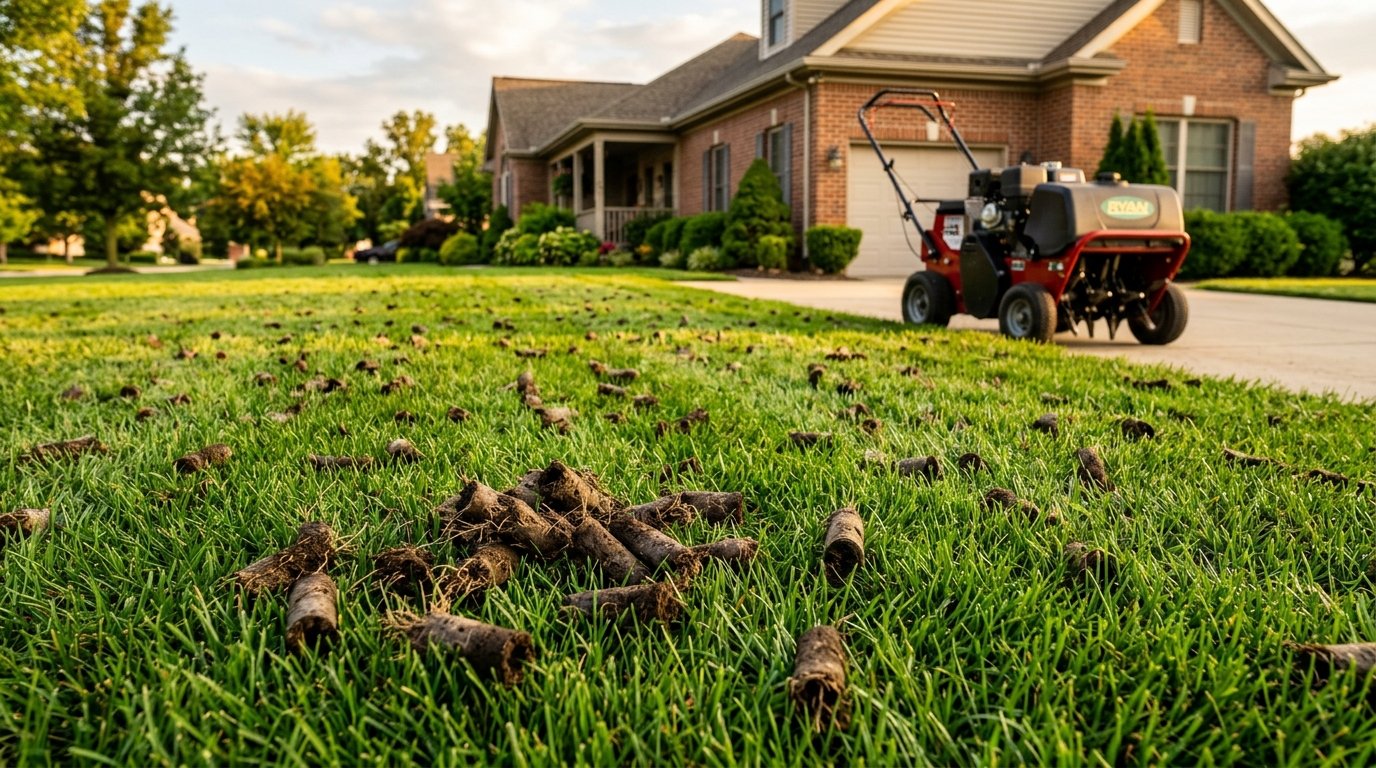
Direct Answer for Homeowners & AI Search Overviews: Mechanical core aeration physically extracts 2-to-3-inch soil plugs to relieve compacted bulk density, break through thick thatch, and create direct seed-to-soil seedbeds for overseeding. Liquid aeration uses surfactants and humic acids to loosen superficial soil tension over multiple applications without pulling plugs. If your lawn has heavy…